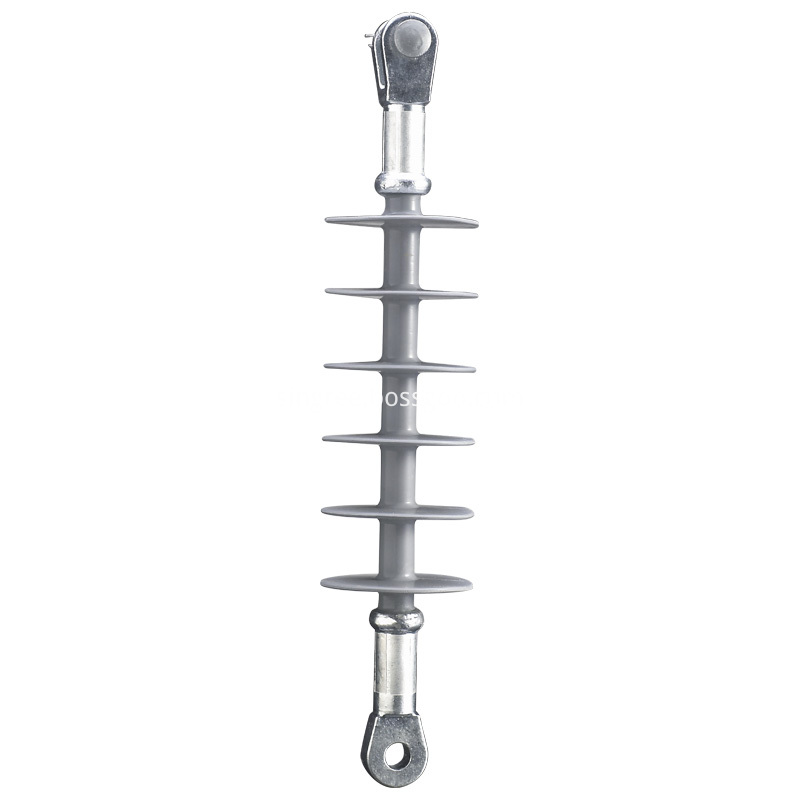
Mechanical properties: Glass insulators are often subjected to the forces of gravity and tension of the wires, wind, ice weight, glass insulator weight, wire vibration, equipment operating mechanical forces, short-circuit electric power, earthquakes and other mechanical forces during operation. The relevant national standards have strict requirements on mechanical performance. For the mechanical properties of glass insulators, it is necessary to ensure that the glass insulator can withstand the gravity and tension of the wires and withstand different resistances, so that the glass insulators have good use value in different uses.
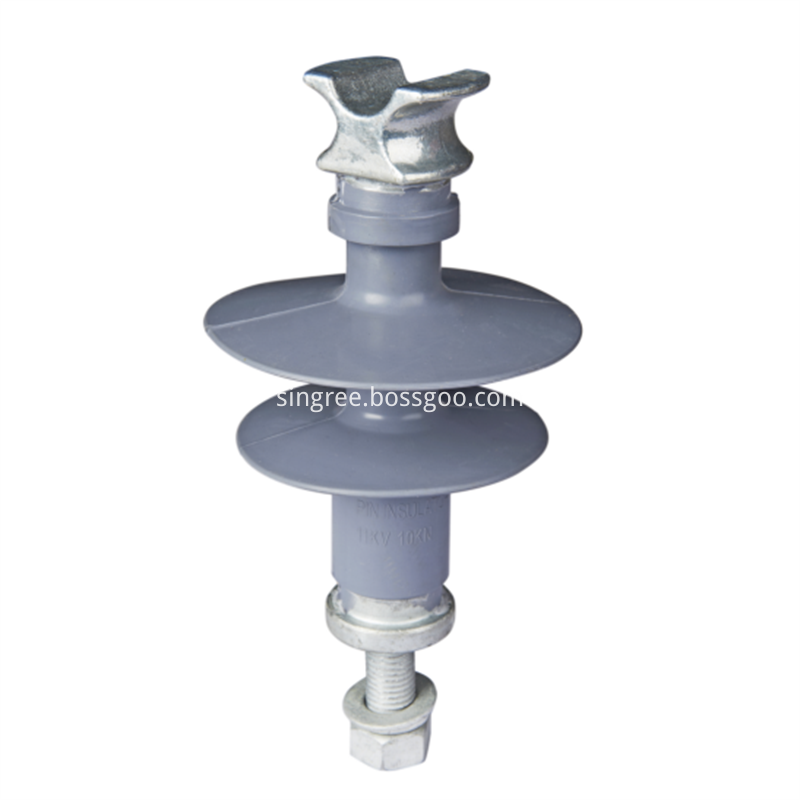
Pin insulators often encounter many problems in use, affecting the normal use performance and value of the pin insulators. Therefore, they are tested according to certain methods and methods during use, and often analyze the faults that occur. The causes and influencing factors of the failure of the pin insulator:
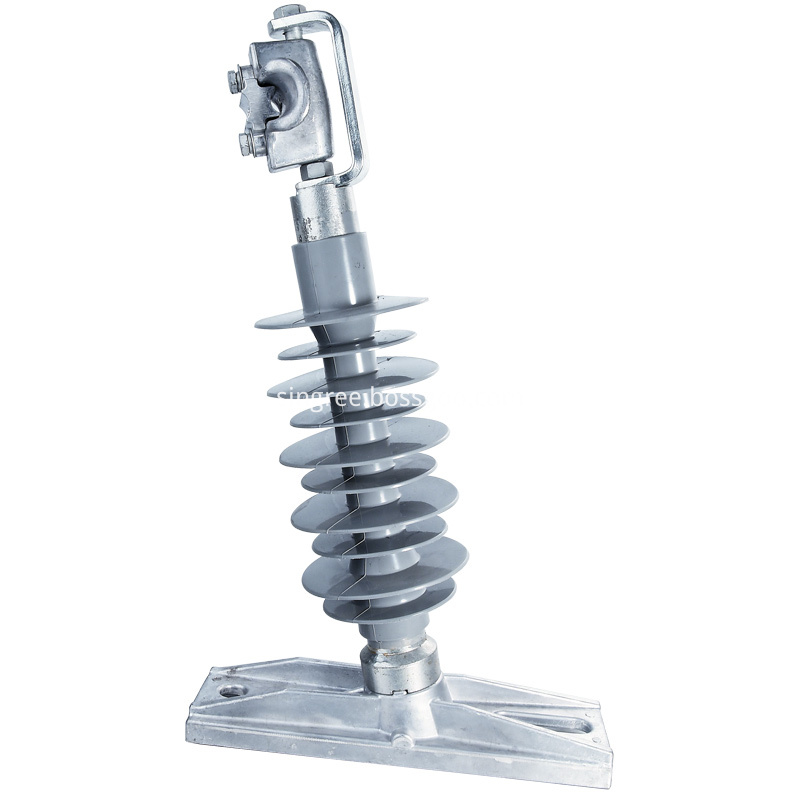
Although other polymer materials also have the advantages described above, only silicone rubber does not cause too much pollution to the environment. The polymer insulator can be made waterproof, so that leakage and surface arcing occur due to water drop. Silicone rubber insulators are more resistant to water than other polymer insulators and are durable materials that can be used in harsh environments for long periods of time.
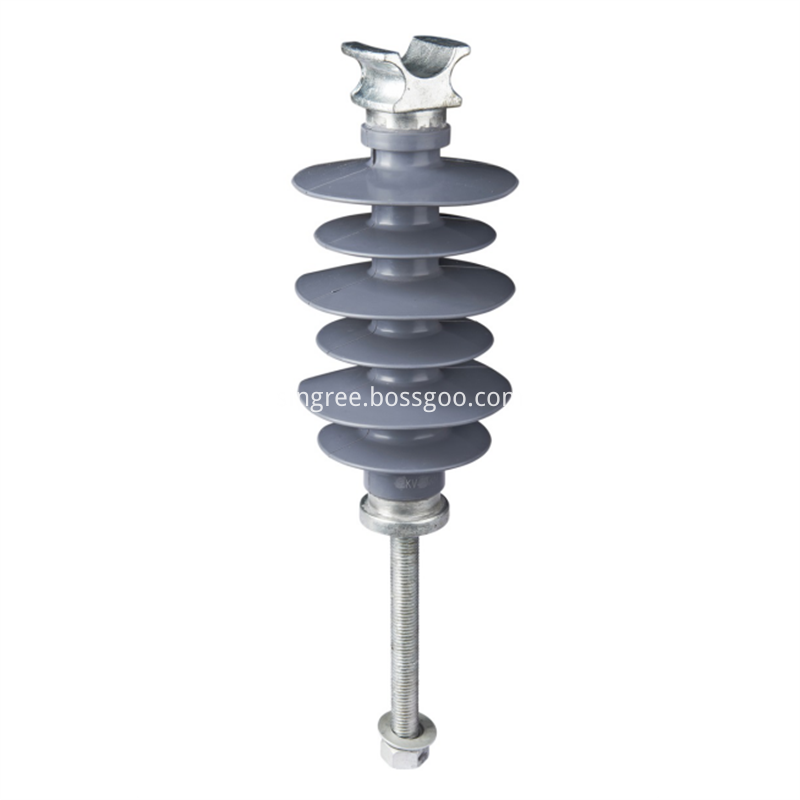
In the power system, due to various reasons, such as single-phase grounding, long-line capacitance effect and load shedding, etc., it will cause the power frequency voltage to rise or generate a transient over-voltage with a higher amplitude. Therefore, the arrester has a certain tolerance within a certain period of time. The degree of power frequency voltage rise capability, which is the power frequency overvoltage withstand time characteristic of the arrester.
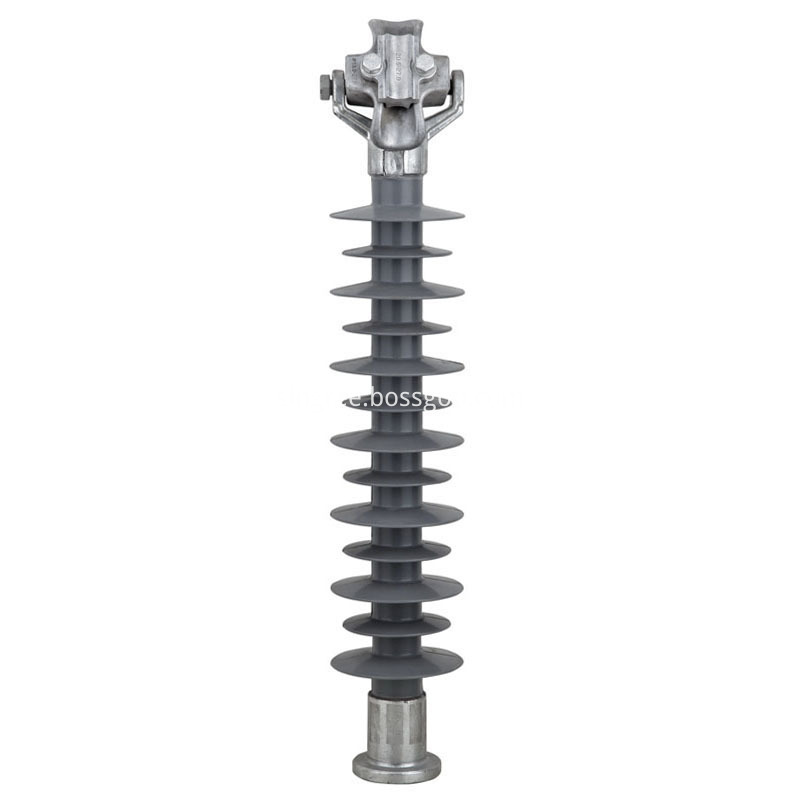
Pin insulators are the oldest insulators in high voltage transmission and distribution lines. Due to its simple manufacture, low cost, easy installation and reduced tower height (supreme installation of insulators, grounding part is below), it is widely used in ordinary areas where the nominal voltage of three-phase power system is 6-35kV and the frequency does not exceed 100Hz. In the area of high-voltage overhead power lines, used for insulation and support wires.